
Iron Casting,Ductile cast iron,High chromium cast iron
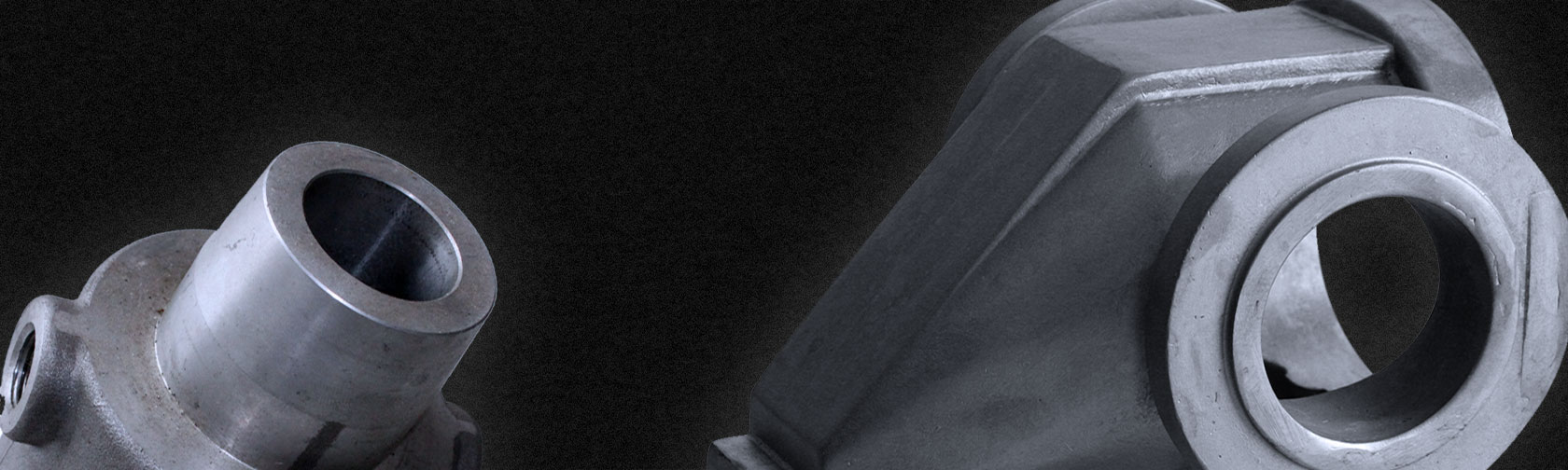
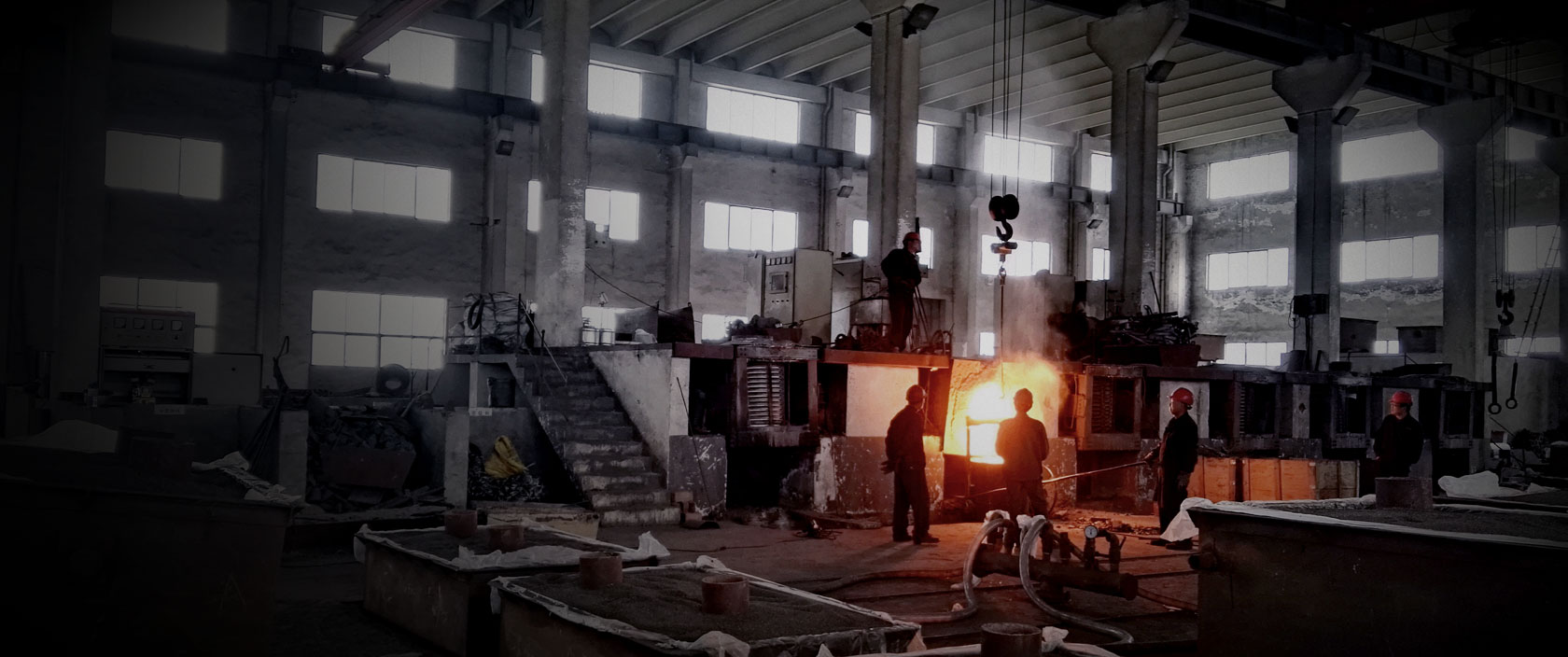


Ductile cast iron, also known asnodular cast ironorspheroidal graphite iron (SG iron), is a type of cast iron in which the graphite forms asspherical nodulesrather than flakes.
Manufacturers produce ductile cast iron by adding a small amount ofmagnesiumorceriumto molten iron before casting. These alloying elements change the shape of the graphite during solidification, transforming it from thin flakes into rounded nodules.
This seemingly small change in graphite structure has a significant impact on the material's mechanical properties. The spherical graphite reduces stress concentration within the metal matrix, allowing ductile cast iron to achieve much higher strength, toughness, ductility, and fatigue resistance than gray cast iron.
As a result, ductile cast iron bridges the gap between traditional cast iron and cast steel, offering an excellent balance of performance, manufacturability, and cost.
The unique graphite structure gives ductile cast iron a combination of mechanical properties that few casting materials can match.
Ductile cast iron offers significantly higher tensile and yield strength than gray cast iron. Many grades provide mechanical properties comparable to low- and medium-carbon steels while retaining the economic advantages of cast production.
Its high strength allows manufacturers to reduce component weight without sacrificing structural integrity.
Unlike gray cast iron, ductile cast iron can undergo considerable deformation before fracturing.
This improved ductility enables components to withstand dynamic loading, vibration, and mechanical shock more effectively.
The spherical graphite structure greatly improves impact resistance and fracture toughness.
Even under fluctuating or cyclic loads, ductile cast iron maintains reliable performance and reduces the risk of sudden brittle failure.
Many industrial components experience millions of repeated loading cycles throughout their service life.
Ductile cast iron offers excellent fatigue strength, making it ideal for rotating machinery, automotive parts, and heavy equipment.
The material provides excellent resistance to sliding and abrasive wear.
This characteristic makes it suitable for gears, rollers, pump housings, valve components, and numerous other high-wear applications.
Like other cast irons, ductile cast iron flows easily into complex molds.
Manufacturers can produce intricate shapes with minimal machining, reducing both production time and manufacturing costs.
Although stronger than gray cast iron, ductile cast iron remains relatively easy to machine.
It produces stable chips, offers good tool life, and supports efficient turning, milling, drilling, and boring operations.
Ductile cast iron withstands both internal and external pressure extremely well.
For this reason, manufacturers widely use it in pressure pipes, valves, pumps, hydraulic components, and water supply systems.
While ductile cast iron is not completely corrosion-proof, it offers better corrosion resistance than many carbon steels in numerous service environments.
Additional coatings, epoxy linings, galvanization, or cathodic protection can further improve its durability in aggressive environments.
Compared with cast steel, ductile cast iron offers lower melting temperatures, shorter production cycles, reduced machining requirements, and lower overall manufacturing costs.
These advantages make it one of the most economical engineering materials for high-volume production.
.jpg)
Thanks to its excellent combination of strength, toughness, and castability, ductile cast iron serves a wide variety of industries.
One of the largest applications is the production of ductile iron pipes.
Municipal water systems around the world rely on ductile iron pipes because they provide:
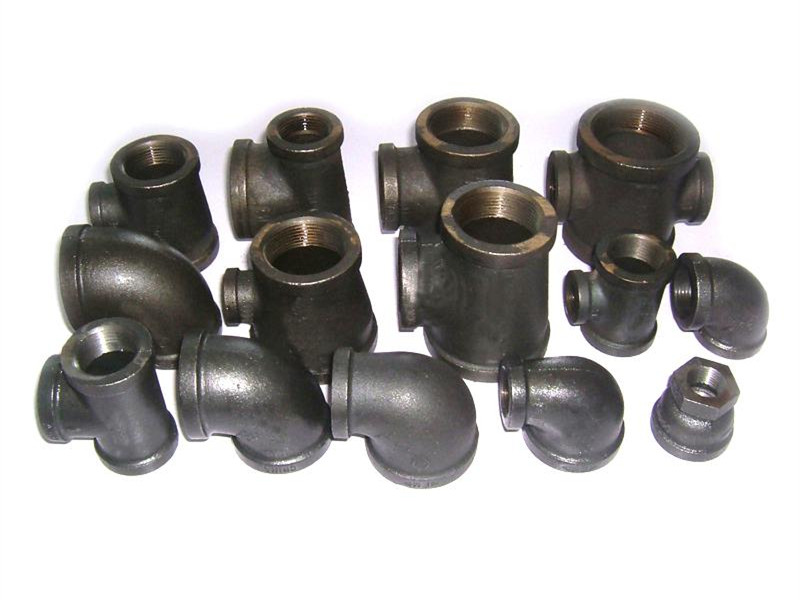
Pipe fittings, hydrants, valves, and couplings also frequently use ductile cast iron.
Automotive manufacturers extensively use ductile cast iron for components that require both strength and durability.
Typical applications include:
Its excellent fatigue resistance makes it particularly suitable for rotating and load-bearing parts.
Construction equipment and municipal infrastructure depend heavily on ductile cast iron.
Common products include:
Its durability allows these products to withstand heavy traffic and harsh outdoor environments.
Farm equipment operates under challenging conditions involving dirt, vibration, and heavy loads.
Manufacturers commonly produce the following parts from ductile cast iron:
The material's wear resistance and impact toughness make it ideal for agricultural applications.
Mining machinery requires materials capable of handling severe operating conditions.
Ductile cast iron performs well in:
Its strength and wear resistance help extend equipment service life.
General industrial equipment also relies heavily on ductile cast iron.
Applications include:
Its vibration damping characteristics improve machine stability while reducing operating noise.
Large wind turbines and power generation equipment require robust structural components.
Manufacturers use ductile cast iron for:
The material's fatigue strength supports reliable long-term operation.
| Property | Ductile Cast Iron | Gray Cast Iron |
| Graphite Shape | Spherical nodules | Flake graphite |
| Tensile Strength | High | Moderate |
| Ductility | Excellent | Very low |
| Toughness | High | Brittle |
| Impact Resistance | Excellent | Poor |
| Fatigue Strength | High | Lower |
| Pressure Resistance | Excellent | Moderate |
| Machinability | Good | Excellent |
The key distinction lies in the graphite morphology. Spheroidal graphite enables ductile cast iron to carry higher loads and absorb greater impact energy, while flake graphite gives gray cast iron superior vibration damping but lower mechanical strength.
Ductile cast iron combines the manufacturing advantages of cast iron with the strength, toughness, and ductility required for demanding engineering applications. Its unique spheroidal graphite structure delivers excellent fatigue resistance, pressure resistance, wear resistance, and machinability while keeping production costs relatively low.
From municipal water pipelines and automotive components to construction equipment, industrial machinery, and renewable energy systems, ductile cast iron continues to play a critical role in modern engineering. As industries seek materials that balance performance, durability, and cost, ductile cast iron remains one of the most versatile and reliable choices for a wide range of structural and mechanical applications.
Differences Between Ductile Cast Iron and Grey Cast Iron
.jpg "advantages and matters to pay attention of ductile iron castings") advantages and matters to pay attention of ductile iron castings
advantages and matters to pay attention of ductile iron castings
.jpg "Strength of ductile cast iron is greater than that of gray iron") Strength of ductile cast iron is greater than that of gray iron
Strength of ductile cast iron is greater than that of gray iron
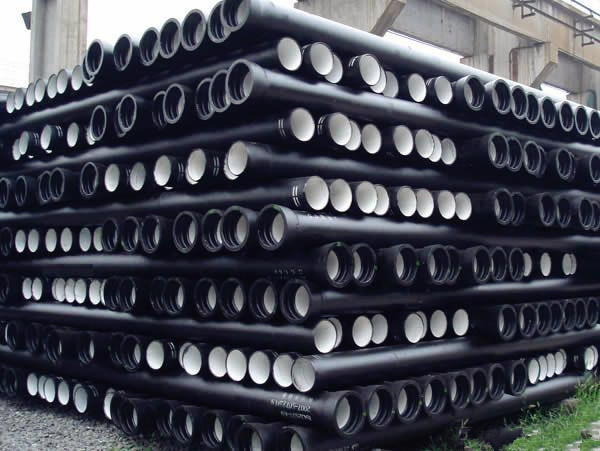 Anticorrosion treatment of nodular cast iron pipe
.jpg "Ductile Iron Casting QT600-3(12)") Ductile Iron Casting QT600-3(12)
Ductile Iron Casting QT600-3(12)
.jpg "Ductile Iron Casting QT600-3(7)") Ductile Iron Casting QT600-3(7)
Ductile Iron Casting QT600-3(7)
.jpg "Ductile Iron Casting QT600-3(14)") Ductile Iron Casting QT600-3(14)
Ductile Iron Casting QT600-3(14)
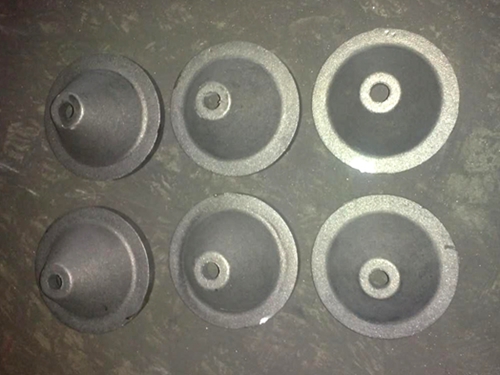 Ductile iron QT450-10
.jpg "Ductile Iron Casting QT600-3") Ductile Iron Casting QT600-3
Ductile Iron Casting QT600-3
 The difference between nodular graphite cast iron and gray cast iron