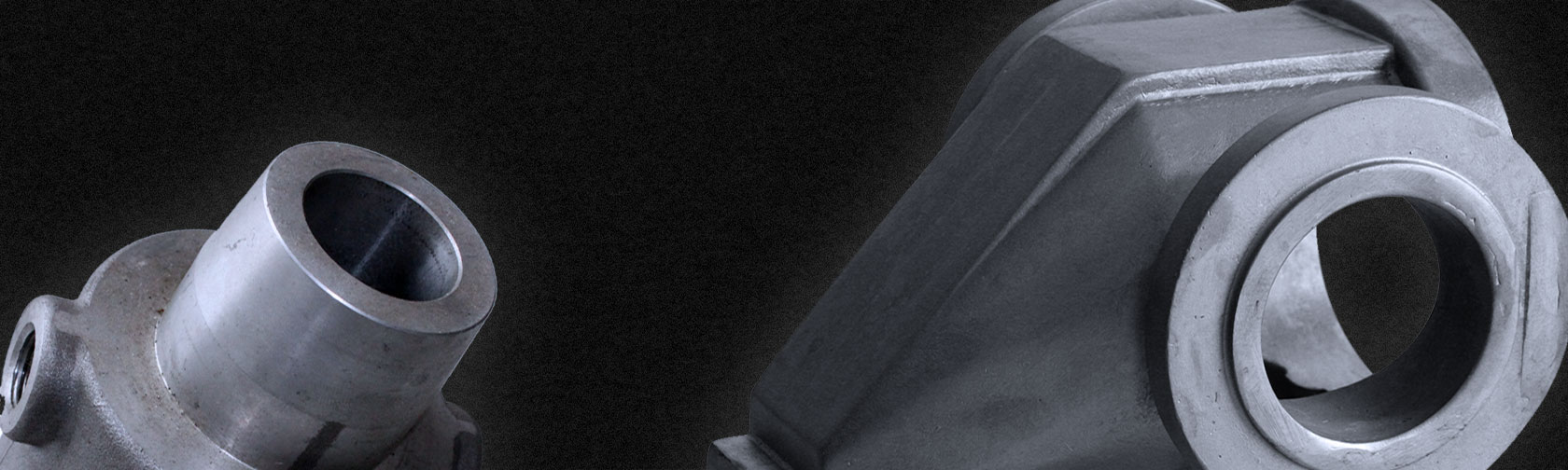
In modern cement, mining, metallurgy, and mineral processing industries, ball mills play a critical role in material grinding. The grinding efficiency and service life of a ball mill largely depend on the quality and performance of its internal components. Among these components, the high chromium cast iron compartment plate serves as an essential part of the mill's internal classification and material control system.
Designed to separate different grinding chambers while regulating material flow, the compartment plate helps optimize the grinding process and significantly improves milli ng efficiency.
The Function of a Ball Mill Compartment Plate
A compartment plate, sometimes referred to as an intermediate diaphragm, is installed between adjacent grinding chambers inside a ball mill. Its primary function is to separate grinding stages and ensure that grinding media and materials remain properly distributed throughout the milling process.
As materials move from the coarse grinding chamber to the fine grinding chamber, the average size of the grinding media gradually decreases. This design follows the fundamental principle of staged grinding:
- Large grinding balls perform impact crushing in the coarse grinding chamber.
- Medium-sized balls provide secondary grinding.
- Smaller grinding media perform fine grinding in the final chamber.
- The compartment plate controls the transfer of material between these chambers, ensuring that each grinding stage operates under optimal conditions.
Without an effective compartment plate, oversized particles may enter the fine grinding section prematurely, reducing grinding efficiency and increasing energy consumption.
Why Use High Chromium Cast Iron?
Manufacturers typically produce high-performance compartment plates from high chromium cast iron, a wear-resistant alloy known for its exceptional hardness and durability.
Compared with ordinary cast steel components, high chromium cast iron offers several advantages:
Outstanding Wear Resistance
- During operation, compartment plates continuously face abrasion from grinding media and moving materials. High chromium cast iron forms hard chromium carbides within its microstructure, providing superior resistance to abrasive wear.
- As a result, the service life of the component increases significantly, reducing maintenance frequency and replacement costs.
High Impact Strength
- Although compartment plates primarily experience abrasive wear, they also endure repeated impacts from grinding balls and material flow. High chromium cast iron combines hardness with sufficient toughness, allowing the plate to maintain structural integrity under demanding working conditions.
Corrosion and Oxidation Resistance
- In cement plants and mineral processing facilities, compartment plates often operate in environments containing moisture, chemicals, and abrasive dust. High chromium content enhances corrosion resistance and helps maintain long-term performance.
Reduced Downtime
- Because high chromium cast iron compartment plates last longer than conventional materials, plant operators can reduce shutdowns for maintenance and replacement, thereby increasing overall production efficiency.
Structural Features of a High Chromium Cast Iron Compartment Plate
Optimized Grate Slots
- The grate slots allow qualified particles to pass into the next grinding chamber while retaining oversized particles in the current chamber.
- This design ensures that larger particles continue receiving impact and crushing forces until they reach the desired size.Consequently, the grinding process becomes more efficient and uniform.
Controlled Material Flow
- The compartment plate regulates the movement of materials throughout the mill. By controlling the transfer rate, it prevents overloading in downstream chambers and promotes stable operation.
Improved Ventilation Performance
- Many compartment plates include specially designed openings that improve airflow inside the mill. Enhanced ventilation helps remove fine particles and excess heat, improving grinding efficiency and reducing energy consumption.
Robust One-Piece Casting
- Manufacturers often use precision casting technology to produce compartment plates with consistent dimensions, excellent mechanical properties, and superior structural strength.
Applications in Various Industries
High chromium cast iron compartment plates are widely used in:
- Cement manufacturing plants
- Mining and mineral processing facilities
- Power generation industries
- Metallurgical plants
- Chemical processing industries
- Building material production lines
They are particularly suitable for large-scale ball mills operating under high-load and high-wear conditions.
Conclusion
The Compartment plate for ball mill of High chromium cast iron is far more than a simple separator inside a ball mill. It serves as a critical component that controls material flow, optimizes grinding stages, and protects overall milling efficiency.
Through its excellent wear resistance, robust structural design, and ability to regulate particle movement, the compartment plate helps industrial operators achieve higher productivity, lower maintenance costs, and longer equipment service life.