
Iron Casting,Ductile cast iron,High chromium cast iron
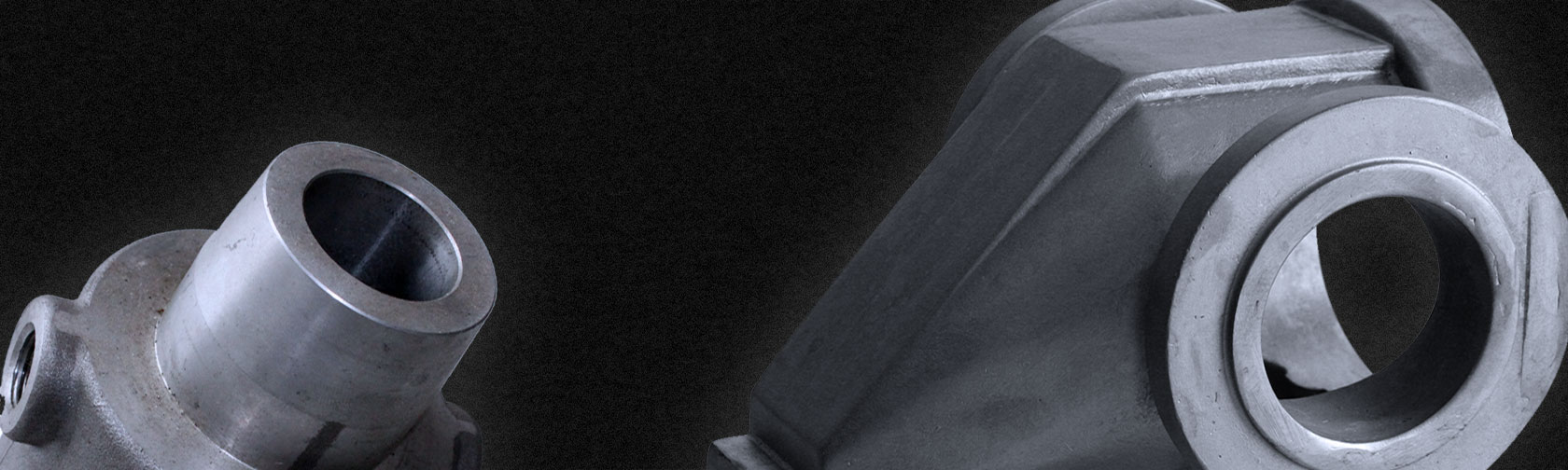


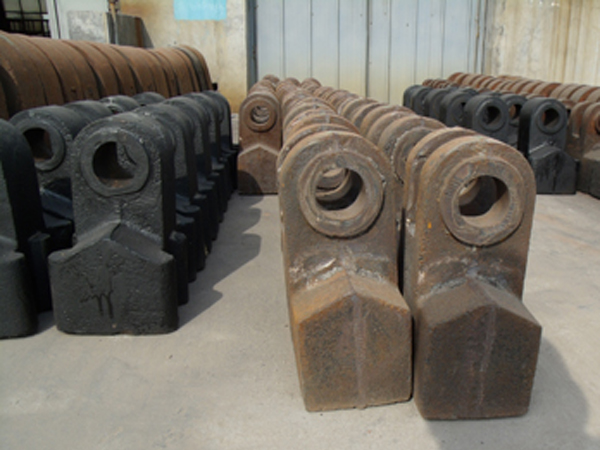
First of all, grate cooler hammers must withstand:
High temperatures
Continuous impact
Abrasive clinker materials
To meet these demands, manufacturers useforging instead of simple casting.
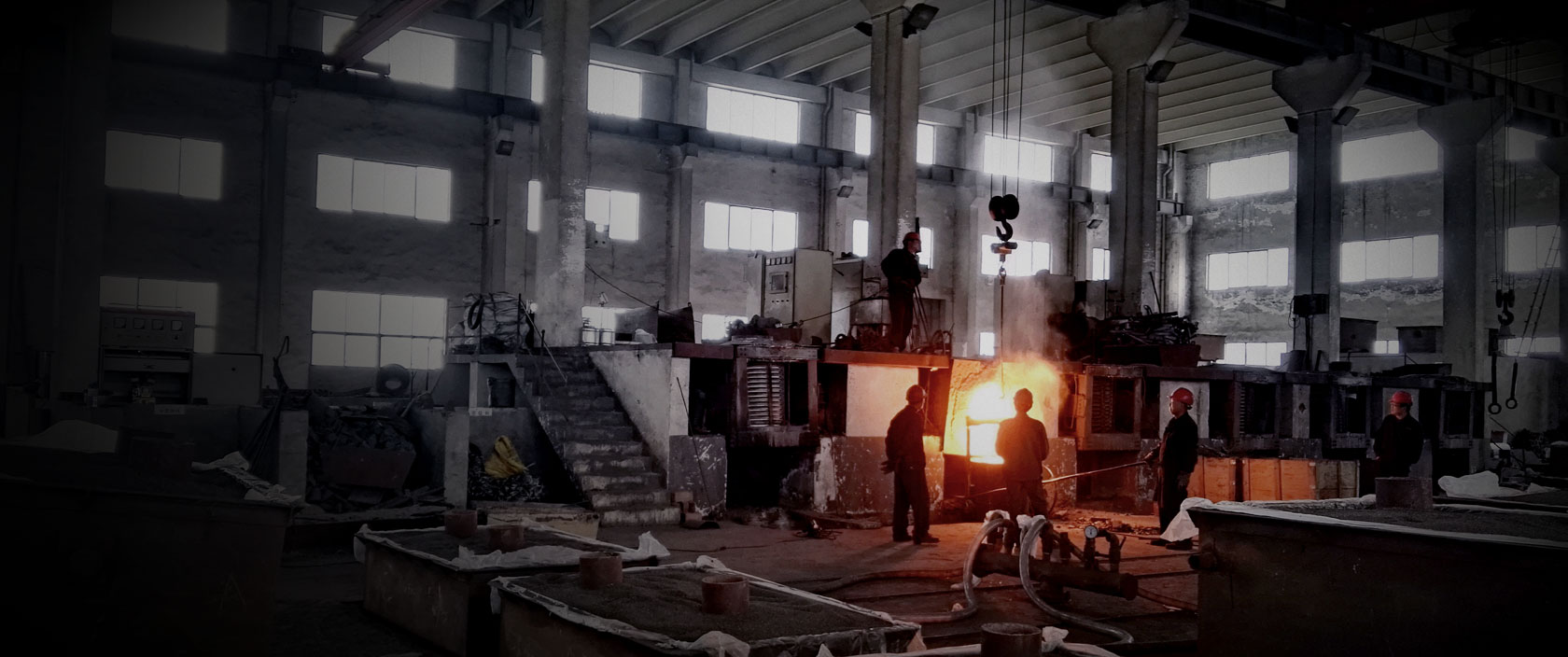
Hydraulic forging hammers shape the metal before it becomes a grate cooler hammer. During this stage, operators control temperature, deformation rate, and impact force to optimize the internal grain flow of the material.As a result, the forged hammer becomes:
Higher density and fewer internal defects
Better performance under repeated impact
Improved resistance to cracking and fatigue
So, theperformance of the grate cooler hammer directly depends on the forging process.
Moreover, modern hydraulic forging systems providebetter control over shape and dimensions.
This matters because grate cooler hammers must:
Fit precisely into cooler systems
Maintain consistent weight and balance
Operate reliably over long periods
With controlled forging processes, manufacturers achievehigher dimensional accuracy and batch consistency.
Ultimately, this connection extends to the entire cement production line.
High-quality forged grate cooler hammers:
Improve clinker handling efficiency
Reduce equipment wear
Lower maintenance frequency
Extend service life
So, although hydraulic forging hammers operate in a different stage, theyindirectly enhance cement plant performance.