Iron Casting,Ductile cast iron,High chromium cast iron


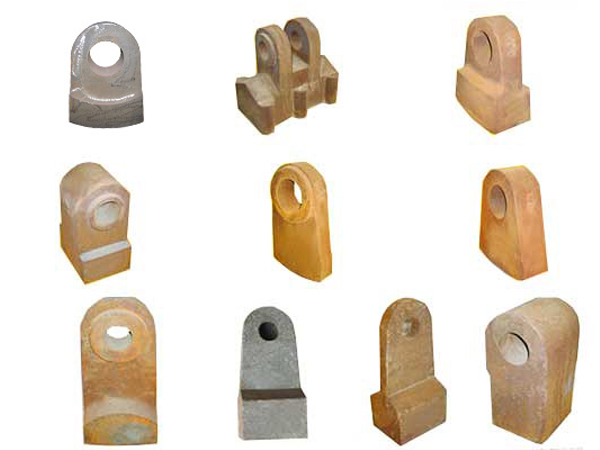
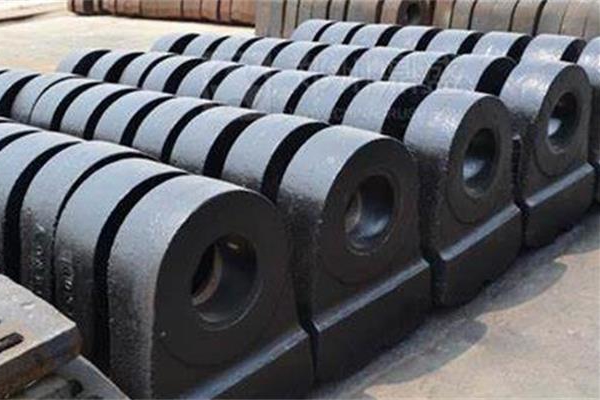
Ahammer crusheris a type of crushing equipment that uses impact force to break materials. It is suitable for medium and fine crushing of materials with medium hardness, such as limestone, slag, coke, coal, and other materials. Hammer crushers are widely used in cement, chemical, electric power, metallurgy, and other industrial sectors.
The hammer crusher hammer head is one of the core components of a hammer crusher. It is installed on the hammer shaft of the crusher rotor. When the crusher operates at high speed, the hammer head directly strikes the material and crushes it into the required particle size.
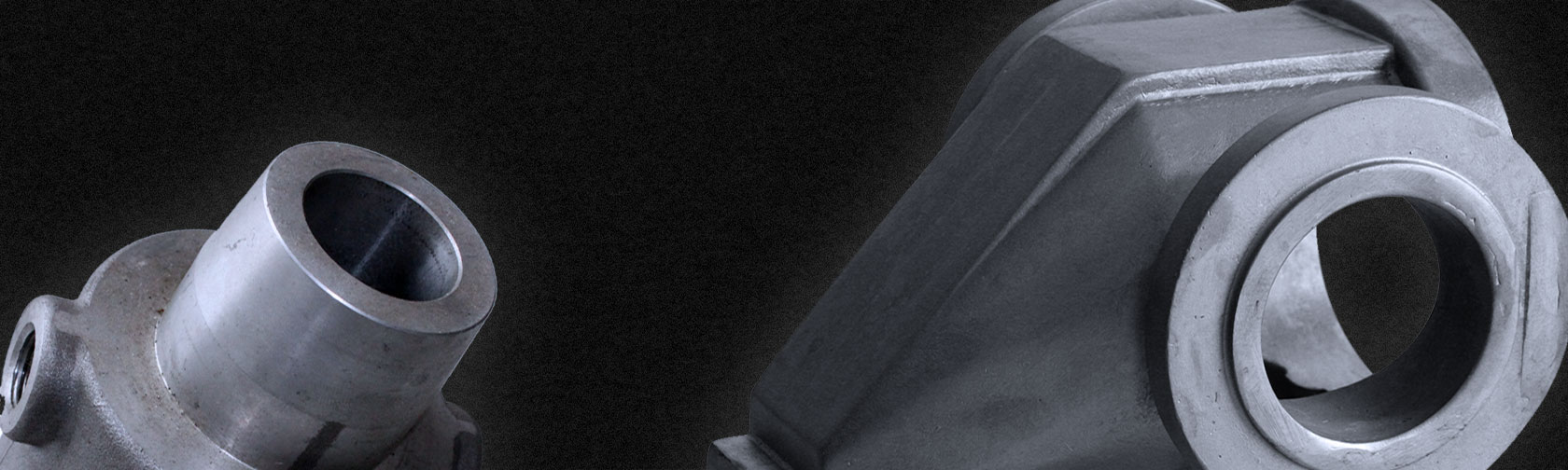
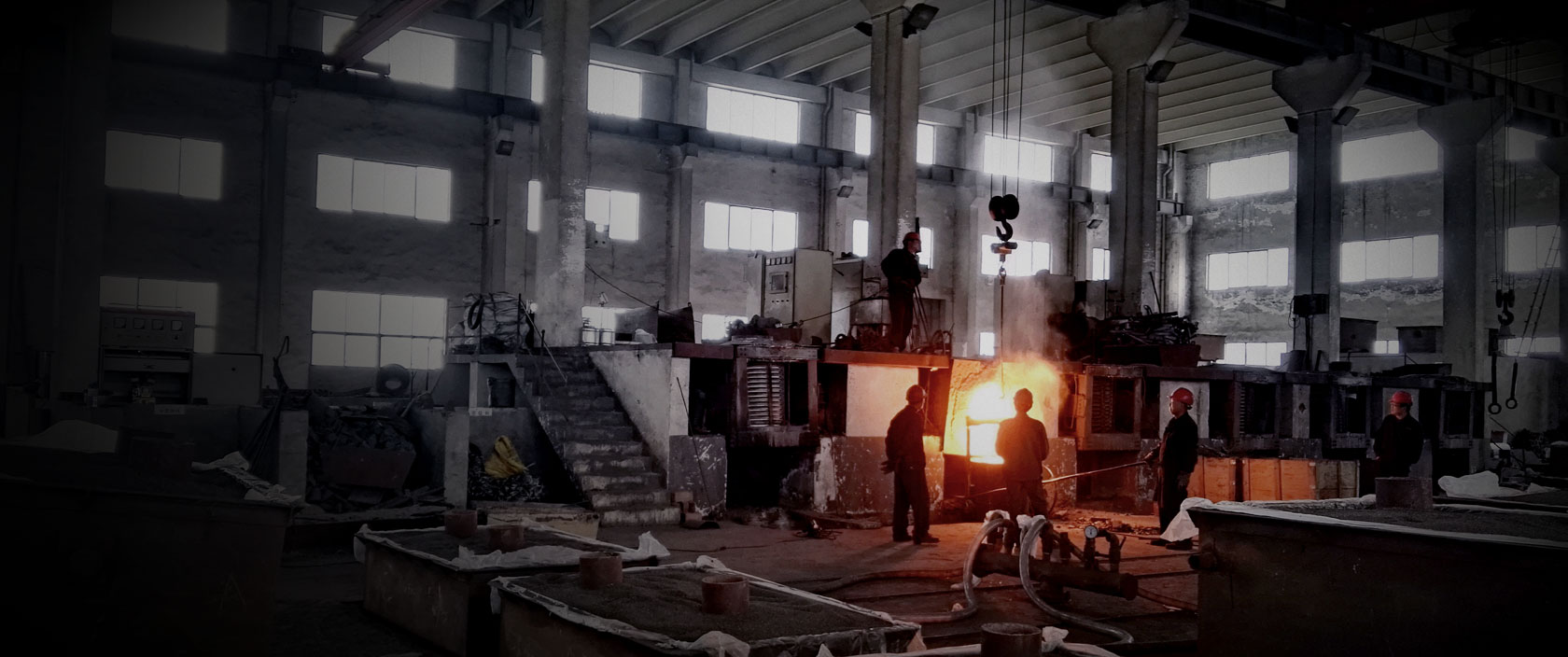
Since the hammer head is constantly exposed to impact and material abrasion, it needs excellent wear resistance while maintaining sufficient toughness. Hammer heads are commonly manufactured through forging or casting using materials such as alloy steel, high manganese steel, cast steel, and high-chromium cast iron bimetallic composites.
These materials provide good wear resistance, impact resistance, and toughness, helping the hammer head withstand demanding crushing conditions and reducing the risk of breakage during operation.
The hammer crusher hammer head is an important working part of the crusher. During operation, the hammer head is subjected to repeated impact from both the rotor and the materials being crushed. Over time, the working surface can wear and its original shape may gradually change.
Therefore, thequality, shape, material, and structural designof the hammer head can directly affect the crushing efficiency, production capacity, and service life of the crusher.
After crushing, efficient material conveying is often an important part of the production process. A Vibrating Conveyoruses controlled vibration to move bulk materials continuously along a conveying surface. It can be used to transport crushed stone, coal, slag, minerals, and other bulk materials.
Vibrating conveyors are widely used inmining, quarrying, cement, metallurgy, and other material processing industries. They can be installed after crushing equipment to continuously transfer crushed materials to screening, storage, or further processing equipment.
The hammer crusher hammer head is one of the main wear parts of a hammer crusher. Its quality and performance directly affect the crushing efficiency and operating cost of the equipment.
Choosing a hammer head with the right material, structure, and manufacturing process can improve wear resistance, extend service life, and maintain stable crushing performance. At the same time, reliable conveying equipment such as a vibrating conveyor can help ensure smooth material flow throughout the crushing and screening process.